
PROGRAMME OUTLINE
LOGISTICS • SOURCING • GLOBAL OPERATIONS
MBA in
Supply Chain
Management.
Build the management perspective to coordinate sourcing, procurement, logistics, inventory and the movement of goods from suppliers to customers.

supply chain strategy
 LOGISTICS
 OPERATIONS
FROM SUPPLIER TO CUSTOMER
Make every step
work together.
MBA in Supply Chain Management
The MBA in Supply Chain Management is designed for professionals who want to develop their business and management skills while understanding how products and services move from suppliers to customers. The programme covers logistics, global supply chain and operations, procurement and sourcing, alongside core business and research subjects. It is suited to learners aiming to progress in logistics, procurement, operations, inventory planning or supply chain management across industries.
“A reliable supply chain connects good decisions with goods that arrive where they are needed.”
WHAT YOU WILL DEVELOP
Capability for
connected operations.
↗ Understand logistics and supply chain management principles
↗ Assess global supply chain and operations challenges
↗ Evaluate procurement and sourcing decisions
↗ Connect business strategy with operational priorities
↗ Use quantitative thinking to support management decisions
↗ Apply research methods to a relevant business problem
ADMISSION REQUIREMENTS
Ready for the
next step?
↗ Bachelor’s degree or equivalent qualification accepted
↗ Minimum CGPA: 2.50
↗ Minimum five years of experience required
↗ Confirm eligibility and document requirements with an admissions advisor before applying
SOURCE. STORE. SHIP. DELIVER.
Built around
real operations.
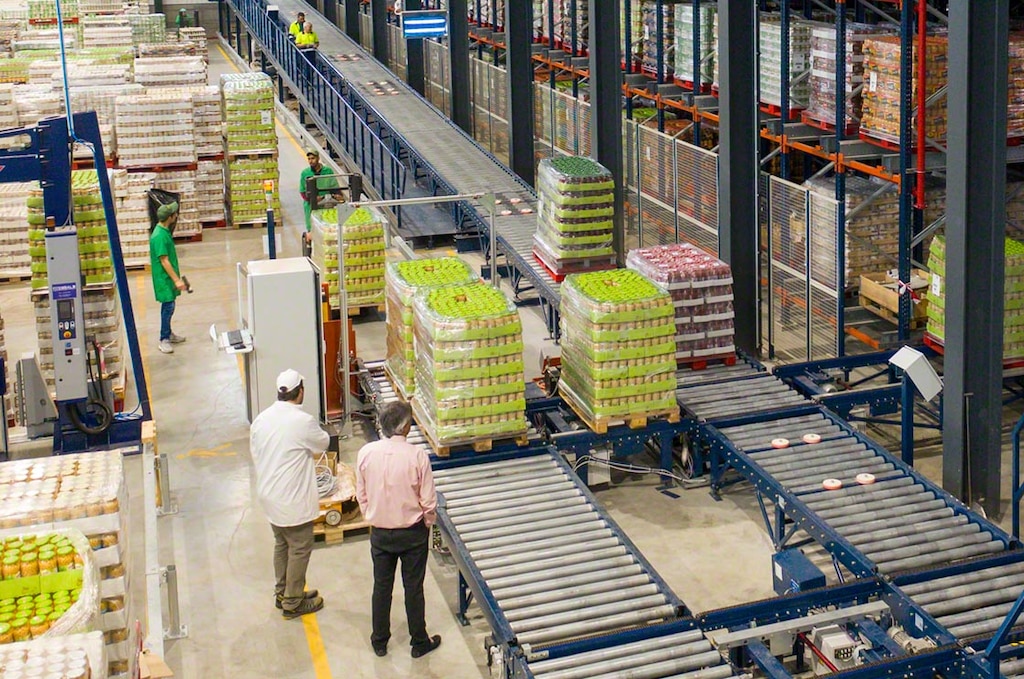
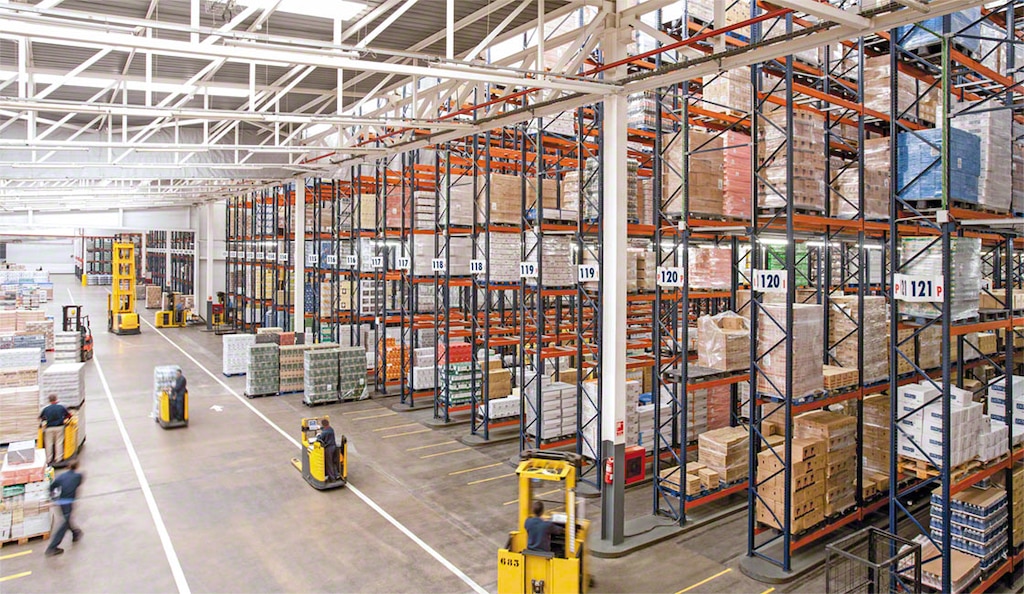
Explore the connected activities that help businesses move products, manage stock and serve customers reliably.


13 connected
modules.
The 42-credit programme combines three supply chain majoring courses with core business, management, research methodology and a research project. The supplied programme information lists module titles but does not provide a detailed module-by-module syllabus or programme duration.
Knowledge that
moves goods.
Explore all thirteen module titles listed in the programme information. The summaries below explain the broad subject focus based on each title; confirm the full syllabus with an admissions advisor.
MBA IN SUPPLY CHAIN MANAGEMENT
Logistics and Supply Chain Management
Explore how logistics activities, inventory, storage and transportation fit into the wider supply chain.
LEARNING OBJECTIVES
- Logistics and supply chain concepts
- Inventory, warehousing and transportation
- Coordination from source to customer
COMPETENCIES
- Logistics awareness
- Supply chain coordination
- Operational flow
KEY SUBJECT AREAS
- Logistics awareness
- Supply chain coordination
- Operational flow
The programme information lists the module title but does not provide a detailed module syllabus. Confirm the full module outline with an admissions advisor.
MBA IN SUPPLY CHAIN MANAGEMENT
Global Supply Chain and Operation
Consider coordination across global supply networks and the operational decisions that influence flow and performance.
LEARNING OBJECTIVES
- Global supply network concepts
- Cross-border operations
- Coordination across supply chain stages
COMPETENCIES
- Global operations awareness
- Network coordination
- Operational planning
KEY SUBJECT AREAS
- Global operations awareness
- Network coordination
- Operational planning
The programme information lists the module title but does not provide a detailed module syllabus. Confirm the full module outline with an admissions advisor.
MBA IN SUPPLY CHAIN MANAGEMENT
Procurement and Sourcing
Examine purchasing and sourcing decisions, supplier selection and how procurement supports organisational needs.
LEARNING OBJECTIVES
- Procurement and sourcing concepts
- Supplier selection and purchasing
- Aligning sourcing with business needs
COMPETENCIES
- Supplier evaluation
- Purchasing decisions
- Sourcing planning
KEY SUBJECT AREAS
- Supplier evaluation
- Purchasing decisions
- Sourcing planning
The programme information lists the module title but does not provide a detailed module syllabus. Confirm the full module outline with an admissions advisor.
MBA IN SUPPLY CHAIN MANAGEMENT
Strategic Human Resources Management
Understand how people strategy and workforce planning support organisational objectives.
LEARNING OBJECTIVES
- Strategic HR management
- Workforce alignment with business goals
- People-related planning
COMPETENCIES
- People strategy
- Workforce planning
- Business alignment
KEY SUBJECT AREAS
- People strategy
- Workforce planning
- Business alignment
The programme information lists the module title but does not provide a detailed module syllabus. Confirm the full module outline with an admissions advisor.
MBA IN SUPPLY CHAIN MANAGEMENT
Marketing Management
Explore how market needs, customer value and marketing decisions shape business priorities.
LEARNING OBJECTIVES
- Marketing management principles
- Customer and market awareness
- Marketing’s role in business planning
COMPETENCIES
- Market orientation
- Customer value
- Marketing decisions
KEY SUBJECT AREAS
- Market orientation
- Customer value
- Marketing decisions
The programme information lists the module title but does not provide a detailed module syllabus. Confirm the full module outline with an admissions advisor.
MBA IN SUPPLY CHAIN MANAGEMENT
Managerial Accounting
Use cost and management information to support planning, control and operational decisions.
LEARNING OBJECTIVES
- Managerial accounting concepts
- Cost and performance information
- Using management data in decisions
COMPETENCIES
- Cost awareness
- Management reporting
- Decision support
KEY SUBJECT AREAS
- Cost awareness
- Management reporting
- Decision support
The programme information lists the module title but does not provide a detailed module syllabus. Confirm the full module outline with an admissions advisor.
MBA IN SUPPLY CHAIN MANAGEMENT
Financial Management
Consider financial planning, resource allocation and financial choices within an organisation.
LEARNING OBJECTIVES
- Financial management principles
- Financial planning and resource use
- Financial decision-making
COMPETENCIES
- Financial planning
- Resource allocation
- Financial analysis
KEY SUBJECT AREAS
- Financial planning
- Resource allocation
- Financial analysis
The programme information lists the module title but does not provide a detailed module syllabus. Confirm the full module outline with an admissions advisor.
MBA IN SUPPLY CHAIN MANAGEMENT
Business Economics
Explore economic forces and market conditions that influence business decisions.
LEARNING OBJECTIVES
- Business economics concepts
- Economic influences on organisations
- Applying economic thinking to business issues
COMPETENCIES
- Economic analysis
- Market awareness
- Business decision-making
KEY SUBJECT AREAS
- Economic analysis
- Market awareness
- Business decision-making
The programme information lists the module title but does not provide a detailed module syllabus. Confirm the full module outline with an admissions advisor.
MBA IN SUPPLY CHAIN MANAGEMENT
Competitive Strategic Management
Assess competitive environments and strategic choices that support organisational goals.
LEARNING OBJECTIVES
- Competitive strategy concepts
- Business environment analysis
- Strategic choices and positioning
COMPETENCIES
- Competitive analysis
- Strategic thinking
- Business positioning
KEY SUBJECT AREAS
- Competitive analysis
- Strategic thinking
- Business positioning
The programme information lists the module title but does not provide a detailed module syllabus. Confirm the full module outline with an admissions advisor.
MBA IN SUPPLY CHAIN MANAGEMENT
Quantitative Techniques and Decision Making
Explore quantitative reasoning and the use of numerical information in structured business decisions.
LEARNING OBJECTIVES
- Quantitative techniques in business
- Interpreting numerical information
- Using analysis to support decisions
COMPETENCIES
- Quantitative reasoning
- Data interpretation
- Decision support
KEY SUBJECT AREAS
- Quantitative reasoning
- Data interpretation
- Decision support
The programme information lists the module title but does not provide a detailed module syllabus. Confirm the full module outline with an admissions advisor.
MBA IN SUPPLY CHAIN MANAGEMENT
Organisational Behaviour
Study individual, team and organisational dynamics that influence workplace effectiveness.
LEARNING OBJECTIVES
- Organisational behaviour concepts
- Individual and group behaviour
- Workplace dynamics
COMPETENCIES
- Team awareness
- Workplace behaviour
- Organisational effectiveness
KEY SUBJECT AREAS
- Team awareness
- Workplace behaviour
- Organisational effectiveness
The programme information lists the module title but does not provide a detailed module syllabus. Confirm the full module outline with an admissions advisor.
MBA IN SUPPLY CHAIN MANAGEMENT
Research Methodology or Case Research Methods
Review research approaches for investigating business issues and organising evidence-based analysis.
LEARNING OBJECTIVES
- Research methodology concepts
- Case-based investigation
- Organising and interpreting research
COMPETENCIES
- Research planning
- Critical analysis
- Evidence-based reasoning
KEY SUBJECT AREAS
- Research planning
- Critical analysis
- Evidence-based reasoning
The programme information lists the module title but does not provide a detailed module syllabus. Confirm the full module outline with an admissions advisor.
MBA IN SUPPLY CHAIN MANAGEMENT
Research Project
Apply a structured research process to a business or supply-chain-related topic, following programme guidance.
LEARNING OBJECTIVES
- Define a focused research question
- Gather and analyse relevant evidence
- Present findings in a structured project
COMPETENCIES
- Independent inquiry
- Research communication
- Applied analysis
KEY SUBJECT AREAS
- Independent inquiry
- Research communication
- Applied analysis
The programme information lists the module title but does not provide a detailed module syllabus. Confirm the full module outline with an admissions advisor.

COLLECTIVE IMPACT
SUPPLY CHAIN • OPERATIONS • PROCUREMENT
Connect the flow.
Strengthen delivery.
Combine supply chain specialisation with management, finance, strategy, and research. Explore how these capabilities can support your next step in logistics, sourcing, procurement, or operations.
Explore your MBA journey ↗Move your career
forward.
Explore how the MBA in Supply Chain Management could support your next step in logistics, procurement, sourcing, inventory planning, or operations. Confirm eligibility and programme details with an advisor.
Review programme details ↗PROGRAMME FORMAT
13 modules
42 total credits
100% online delivery
ENTRY PROFILE
Bachelor’s degree or equivalent
Five years of experience indicated
Confirm exact entry criteria with an advisor
NEXT STEP
Review programme requirements
Prepare supporting documents
Discuss eligibility and course details